Last updated November 18, 2026
Free written scope consultation - allowances, timeline, and change-order rules on paper before a single trade is scheduled
The Complete Driveway & Pavers Guide for Westchester Homeowners
Most driveway paver failures in Westchester aren’t about the pavers. They’re about what’s six inches below them, and most contractors never tell you that until you’re already paying for the repair. We’ve pulled up three-year-old driveways in Westchester where the pavers themselves were perfect and the base was a wet, shifting mess. The difference between a driveway that lasts twenty years and one that starts settling in year three comes down to two things: the base layer and the timing of the install around Florida’s rainy season. This guide covers both, along with paver materials, HOA approvals, real cost ranges, and what a workmanship guarantee should actually cover. If you’re planning a driveway in Westchester, read this before you take a single bid.
Quick Answer
A driveway paver installation in Westchester typically runs $12 to $25 per square foot installed, with most residential driveways landing between $8,000 and $22,000 depending on size, paver type, and base depth. The single biggest factor in how long that driveway lasts in Westchester is a properly engineered compacted base, deeper than the standard Florida guideline, built to handle the area’s clay-heavy soil and heavy summer rain. Install timing matters too: base work done during the dry months sets and locks far better than base work right before or during the rainy season.
Styles & brands we work with
- Kitchen remodeling
- Bathroom remodeling
- Home additions & ADU
- Roofing
- Windows & doors
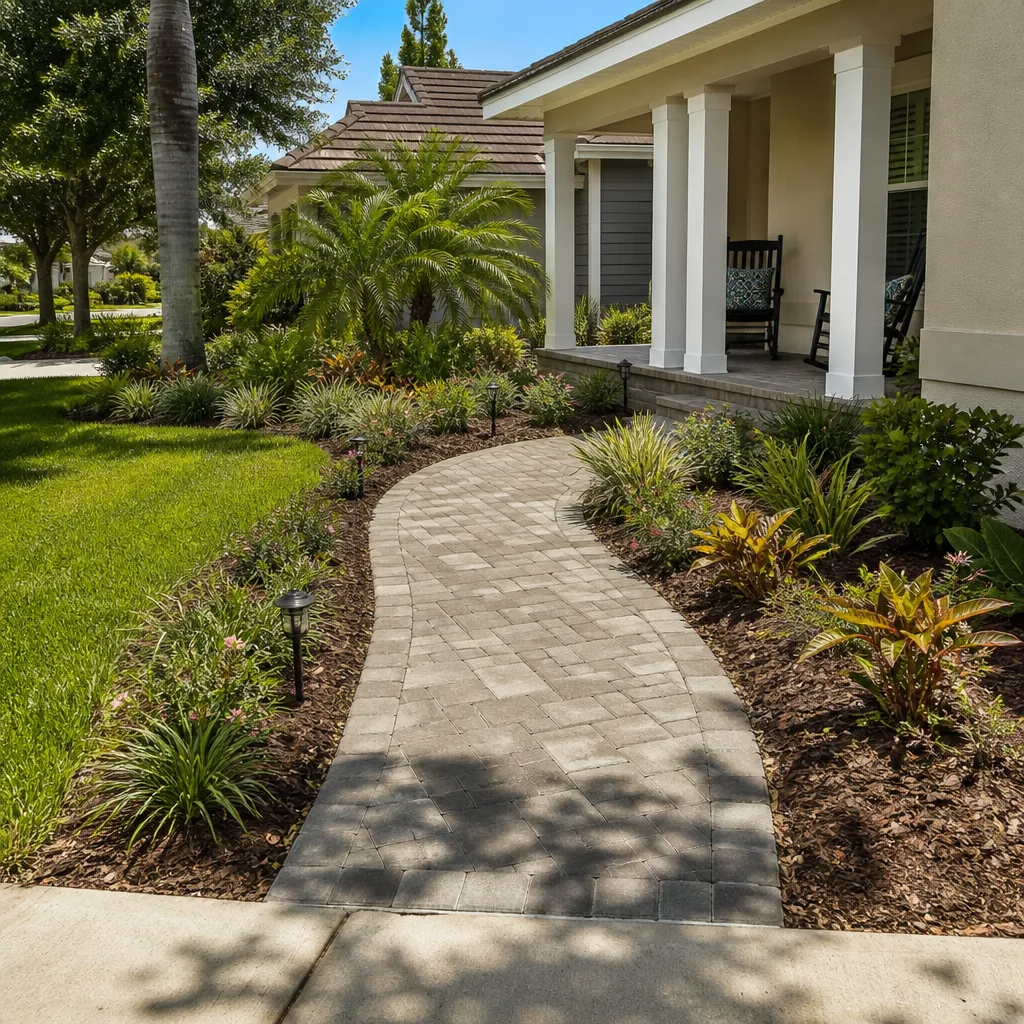
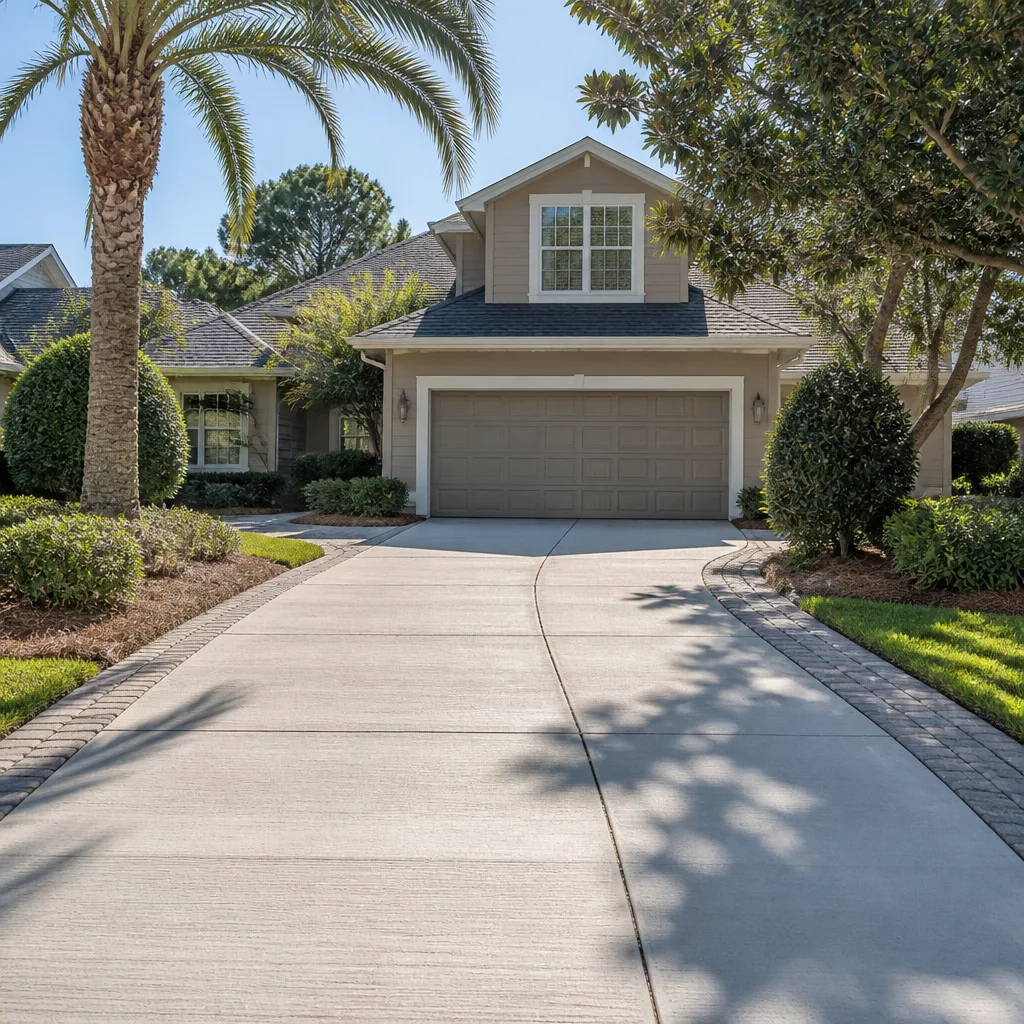
- Driveway & pavers
- Fence
Table of Contents
- Why the Base Layer Decides Everything in Westchester
- Westchester’s Clay Soil and What It Means for Your Driveway
- Why Installation Timing Around the Rainy Season Matters
- Concrete vs. Brick vs. Travertine Pavers in a Florida Summer
- HOA Approval Pitfalls in Westchester Communities
- How Much Do Driveway Pavers Cost in Westchester?
- What a Proper Paver Installation Actually Looks Like
- What Groundwork’s 730-Day Done Right Promise Covers on Pavers
- Common Mistakes to Avoid
- Frequently Asked Questions
Why the Base Layer Decides Everything in Westchester
Pavers are the visible part of your driveway. The base layer is the part that does the work. It spreads the load of every vehicle, manages water, and keeps the surface from moving. When a driveway in Westchester starts to rut, heave, or develop loose pavers in the middle, the pavers almost always aren’t the problem. The base underneath gave way.
Most of what goes wrong traces back to two base failures:
- Base too thin. Standard guidance for residential driveways calls for roughly 4 to 6 inches of compacted aggregate base. In Westchester’s soil conditions, that’s often not enough.
- Base not compacted in lifts. Proper compaction happens in layers, usually 2 to 3 inches at a time, each one watered and mechanically compacted before the next goes down. A crew that dumps the full base depth at once and compacts the top can’t reach the density a driveway needs.
We’ve seen the result of both on Westchester driveways more than once: pavers that look great for two summers, then start to dip where tires sit. Getting the base engineered for the site is the single decision that separates a driveway that holds up from one that needs repair inside a few years. It’s why we spend more time on the base than on the pavers themselves.
Westchester’s Clay Soil and What It Means for Your Driveway
Westchester sits on soil with a meaningful clay content, and clay does something specific: it swells when wet and shrinks as it dries. Through a Florida year, that means the ground under your driveway is expanding and contracting as the wet season gives way to the dry months. A driveway base that isn’t built to isolate the pavers from that movement will flex with the soil, and flexing is how pavers shift, heave, and separate.
A few things a Westchester base should account for:
- Deeper compacted base than the generic Florida guideline. Where standard guidance calls for 4 to 6 inches, clay-heavy sites often need more.
- Proper drainage slope. Water has to move off the driveway and away from the house, not sit under the surface.
- Edge restraint. In clay soil, edge restraint does more work than usual. Without a solid edge, the pavers can push outward over time.
- Fabric or geotextile separation where the subgrade is especially active, to keep the clay from pumping up into the aggregate base.
This is the part of the job most homeowners never see, and it’s the part that matters most. When we quote a driveway in Westchester, the base depth and drainage plan are worked out for that specific property, not lifted from a template. If a bid you’re looking at doesn’t mention base at all, that’s a warning sign.
Why Installation Timing Around the Rainy Season Matters
Florida’s rainy season, roughly late May through October in the Westchester area, changes what’s possible on a paver job. The reason is straightforward: the base layer needs to settle and lock while it’s dry. Wet aggregate doesn’t compact the same way. When base material is saturated, or when the crew is racing afternoon storms to get the surface down, the density the driveway needs never forms.
Here’s how timing plays out on a Westchester install:
- Dry-season base work is cleaner. Late fall through early spring gives you weeks of dry weather for base prep, compaction, and initial settling.
- Summertime base needs protection. A summer install can absolutely be done right, but it requires covering the excavated base when storms roll through and re-checking compaction after rain.
- Rain during curing or setting is the enemy. Water trapped in the bedding layer or under freshly set pavers is a setup for settling later.
- Schedule the base before the surface. Don’t let a crew finish the base the day before pavers go down. Give it time.
We plan installs in Westchester around the season rather than fighting it. Sometimes that means sequencing a job across a couple of weeks so the base has dry days to set, even if the schedule slips a little. We’d rather lose a week than build a driveway that fails in year three.
Concrete vs. Brick vs. Travertine Pavers in a Florida Summer
In Westchester, what you walk on barefoot in July matters. Paver material affects heat absorption, how the surface feels, and how it holds up to the sun and rain. Here’s how the three common options compare.
Concrete pavers
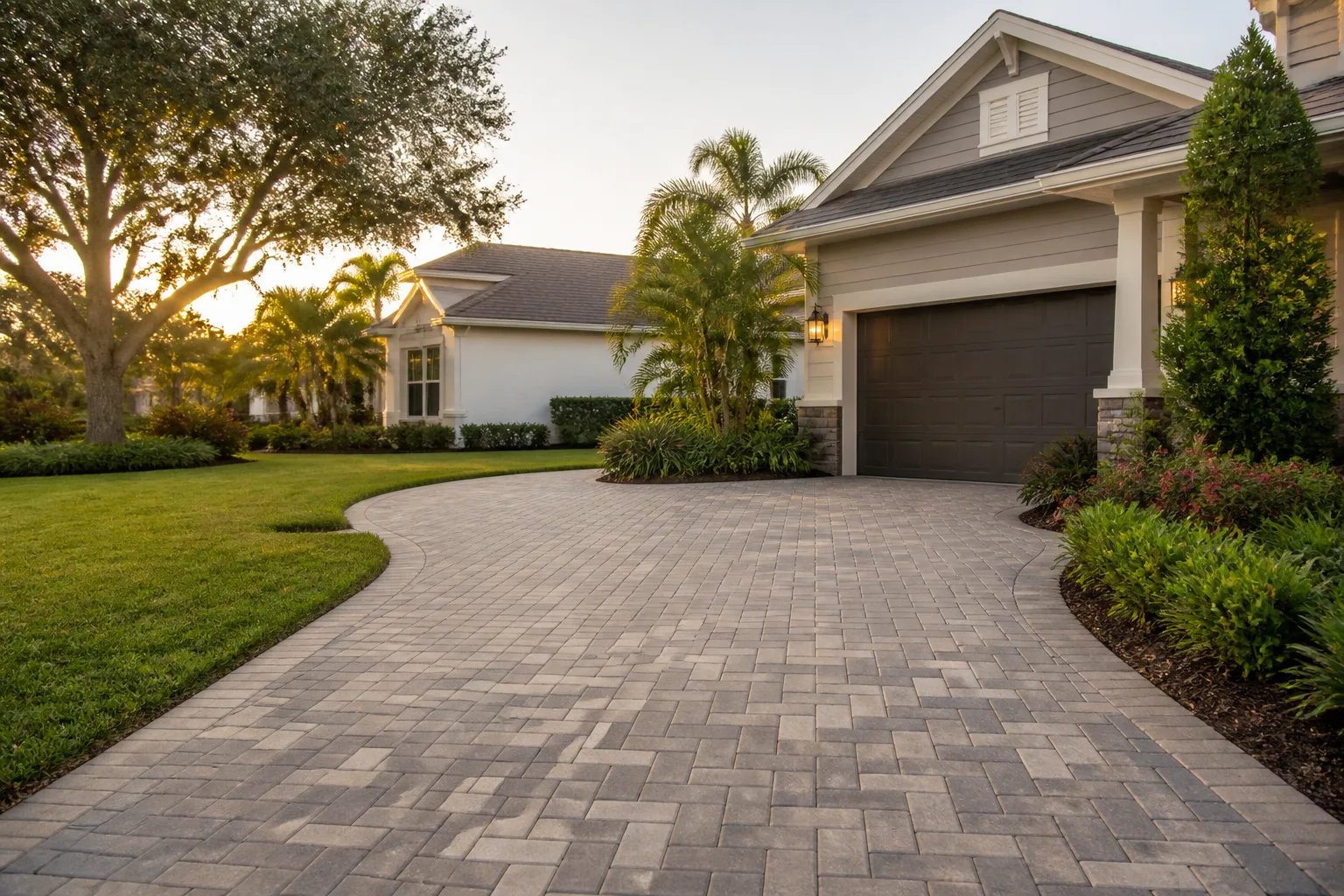
The most common choice for driveways. Concrete pavers are durable, come in a wide range of colors and patterns, and they’re cost-efficient. They do absorb and hold heat, so a dark concrete paver gets hot underfoot in a Florida afternoon. Lighter colors help. Concrete pavers are a strong option where the driveway needs to handle heavy vehicle loads.
Brick pavers
Classic look, good durability, and a surface that runs cooler than dark concrete. Brick also ages well in humid climates. The tradeoff is cost and the need for a solid base, since the joints need to stay tight. Brick is a good fit for Westchester homes where curb appeal is the priority and the budget supports premium materials.
Travertine pavers
Travertine is a natural stone and it stays noticeably cooler underfoot, which is why it shows up on so many Florida patios and pool decks. It handles heat better than concrete or brick and looks built for this climate. The catch is cost, and traffic. Travertine is softer than concrete, so for a driveway with heavy vehicle traffic, the base has to be even more carefully built to protect it. For driveways that see more foot traffic and curb-appeal focus, it’s a beautiful choice.
For Westchester driveways, we usually walk homeowners through the tradeoff between heat, cost, and load handling and let the property and budget decide. There’s no single right answer, but there is a right answer for your driveway.
HOA Approval Pitfalls in Westchester Communities
A lot of Westchester driveway projects run into the HOA before they ever break ground. Many of the area’s planned communities have rules about paver color, pattern, edge restraint, and sometimes even the maximum percentage of the surface that can be a single color. Getting approval late is one of the most common and avoidable setbacks.
Here’s the sequence that keeps a Westchester paver project on track:
- Get the HOA design guidelines in writing before you select pavers. Not a neighbor’s recollection, the actual document.
- Submit a plan with samples. Most HOA architectural review committees want paver samples, a color name, and a pattern drawing.
- Confirm setback and edge details. Some communities restrict what goes at the curb line or how the driveway meets the street.
- Get approval in writing before material is ordered. A verbal “should be fine” isn’t approval.
- Keep the approval on file so it’s available if questions come up later.
We’ve worked enough Westchester projects to know which communities have stricter architectural review and what they tend to look for. That saves homeowners weeks of back-and-forth. It’s part of why we ask about HOA status on the first call.
How Much Do Driveway Pavers Cost in Westchester?
Driveway pavers in Westchester typically run $12 to $25 per square foot installed. Most residential driveways land between $8,000 and $22,000. The spread comes down to size, paver material, base depth required by your soil, and how much site prep the property needs.
Here’s a rough line-item breakdown for a typical Westchester paver driveway:
- Site evaluation and base prep: $2 to $4 per square foot. Higher on clay-heavy lots that need deeper excavation.
- Aggregate base material: $1.50 to $3.50 per square foot, scaled to base depth.
- Concrete pavers, material: $3 to $7 per square foot.
- Brick pavers, material: $5 to $10 per square foot.
- Travertine pavers, material: $8 to $15 per square foot.
- Labor and installation: $4 to $7 per square foot.
- Edge restraint and drainage detailing: $500 to $1,500 per driveway.
Two things move the price most: base depth and paver material. A Westchester property with clay soil that needs an engineered deep base will cost more than the same driveway on better-draining ground, and that extra money is buying longevity, not markup. Travertine and brick run higher on material. Concrete is the most budget-friendly option that still holds up well.
The number you see should be the number you pay. We quote upfront with line items, and we offer 0% financing for 18 months plus $1,000 off projects over $10,000, which makes a larger paver project easier to fit into a household budget without hidden costs showing up mid-job.
What a Proper Paver Installation Actually Looks Like
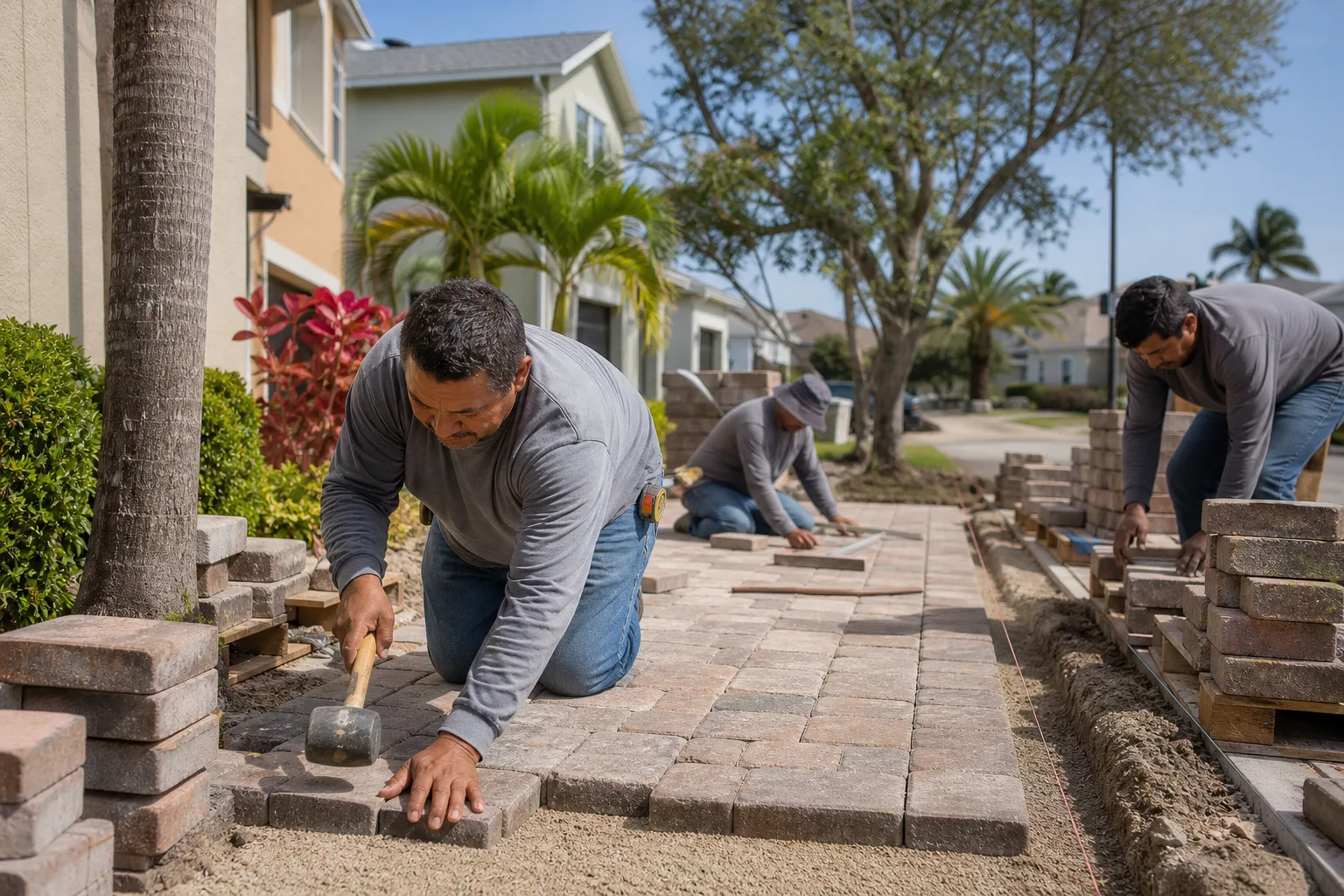
A paver driveway is built in a sequence, and each step depends on the one before it. Here’s the order a proper installation follows in Westchester.
- Site evaluation and soil check. We assess the soil, drainage pattern, and existing surface before any work starts.
- Excavation. Remove the old surface and enough subgrade to make room for a deeper base where the soil calls for it.
- Subgrade prep and grading. Shape and compact the subgrade to establish the drainage slope.
- Base installation in lifts. Aggregate base goes down in 2 to 3-inch layers, each one watered and compacted before the next.
- Edge restraint. Install the edge that holds the paver field in place, especially critical in clay soil.
- Bedding layer. A thin, screeded sand layer sets the surface for the pavers.
- Paver placement and cutting. Set the pavers in the approved pattern and cut the edges cleanly.
- Compaction and joint sand. Compact the finished surface and fill the joints with sand that locks them.
- Final walkthrough and cleanup. Check drainage, edges, and surface, then walk the finished driveway with you.
Every step in that list is on the schedule because it protects the next one. When a crew skips the lift compaction or rushes the bedding layer, the driveway looks fine until the first rainy season. This is also the sequence the crew follows on a Driveway & Pavers in Westchester project, and it’s why we don’t shortcut the base no matter how good the schedule looks.
What Groundwork’s 730-Day Done Right Promise Covers on Pavers
The 730-Day Done Right Promise is our two-year workmanship guarantee. If something we installed isn’t done right, we make it right. For paver driveways specifically, that means the workmanship behind the install is backed in writing for two full years, one of the longest workmanship guarantees in the residential construction space.
What the promise covers on a paver driveway:
- Workmanship defects. Settling, shifting, or loose pavers caused by how the base or surface was built.
- Edge restraint failures. If the edge gives way due to installation, we correct it.
- Drainage issues traced to install. Water pooling because of grading or base work we performed.
- Compaction problems. Ruts or dips from inadequate base compaction.
What it doesn’t cover: physical damage from vehicles outside normal use, damage from an HOA or third party altering the driveway, or issues caused by the soil moving after someone else disturbs the base. The distinction is straightforward. If the failure traces back to how we built it, we make it right. That’s the standard, and it’s why we’d rather over-build the base than under-build it. A two-year promise on a driveway that’s meant to last twenty years only means something if the base was done correctly.
Common Mistakes to Avoid
Most of the trouble we see on Westchester driveways comes down to a short list of avoidable mistakes:
- Choosing a contractor on the base-layer price alone. A bid that doesn’t specify base depth is a bid you can’t compare. Ask what the base will be and how it’ll be compacted.
- Skipping the HOA design review. Ordering pavers before written approval is one of the most common setbacks in Westchester. Get the sign-off first.
- Installing right before the rainy season. Base work done in dry weather sets better. A rushed summer install needs protection to hold up.
- Ignoring heat underfoot. A dark concrete paver gets hot in a Florida July. If barefoot comfort matters, factor the material into the plan.
- Accepting a verbal quote. The number should be in writing, line by line, with no allowance for change orders. Get it upfront.
- Picking the cheapest paver. Travertine and brick cost more up front but can fit a Westchester property better. Sometimes the cheap paver is the expensive one over time.
- Overlooking drainage away from the house. A driveway that pools water near the slab creates problems beyond the pavers. Confirm the drainage slope is planned.
See the difference
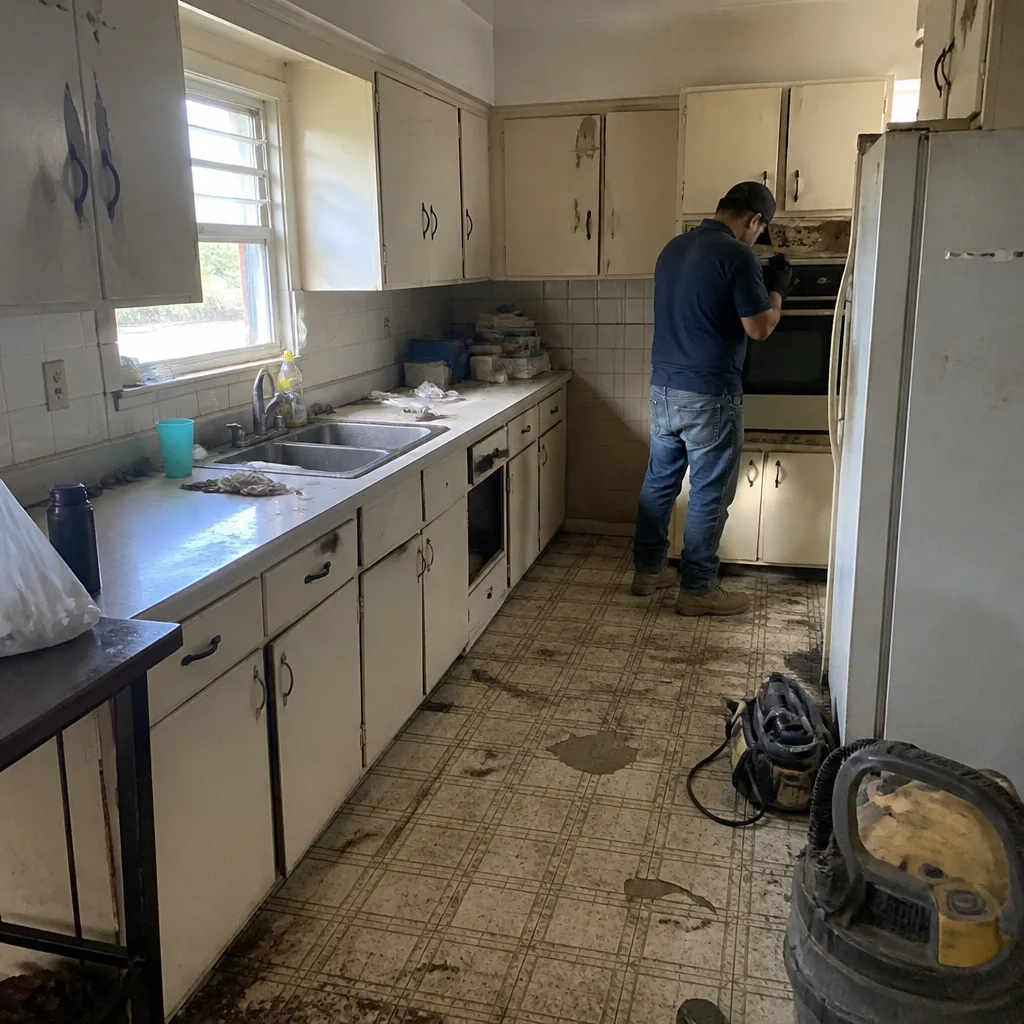 Before
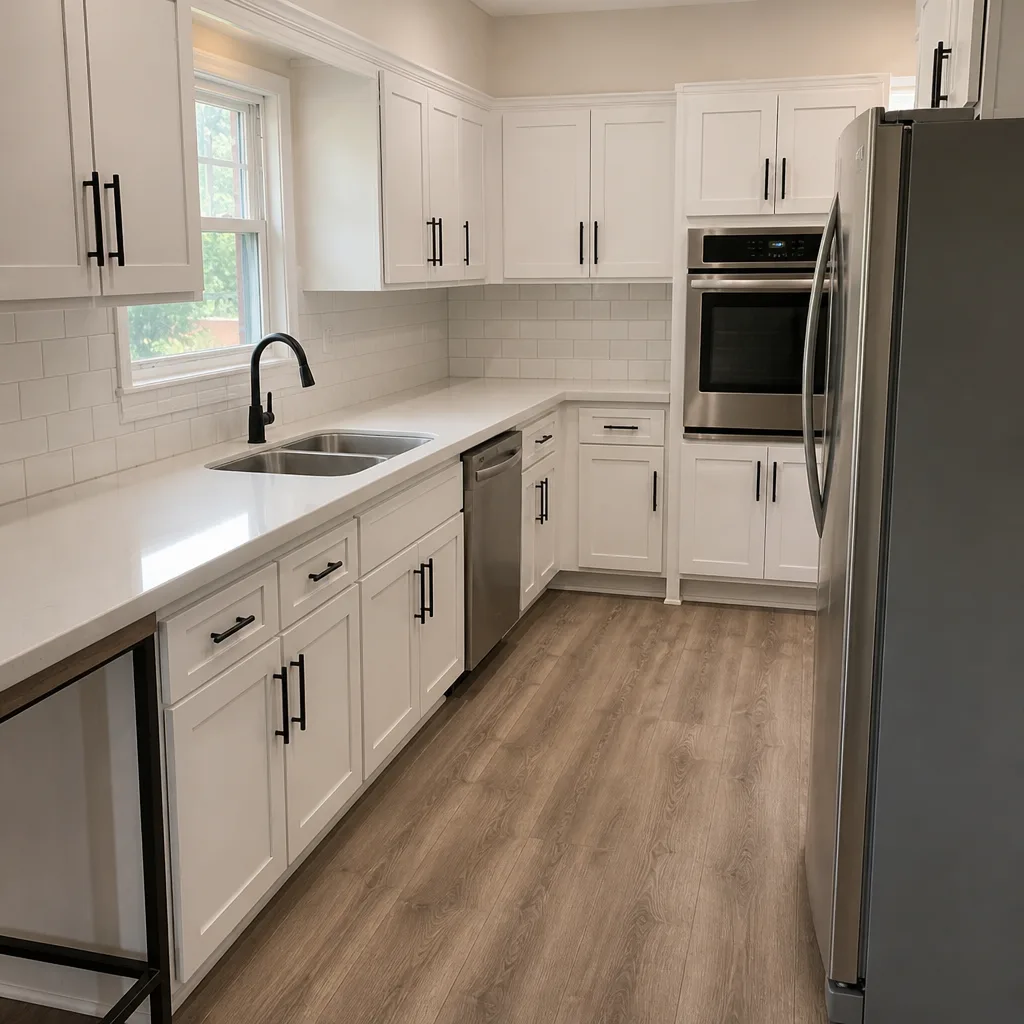 After
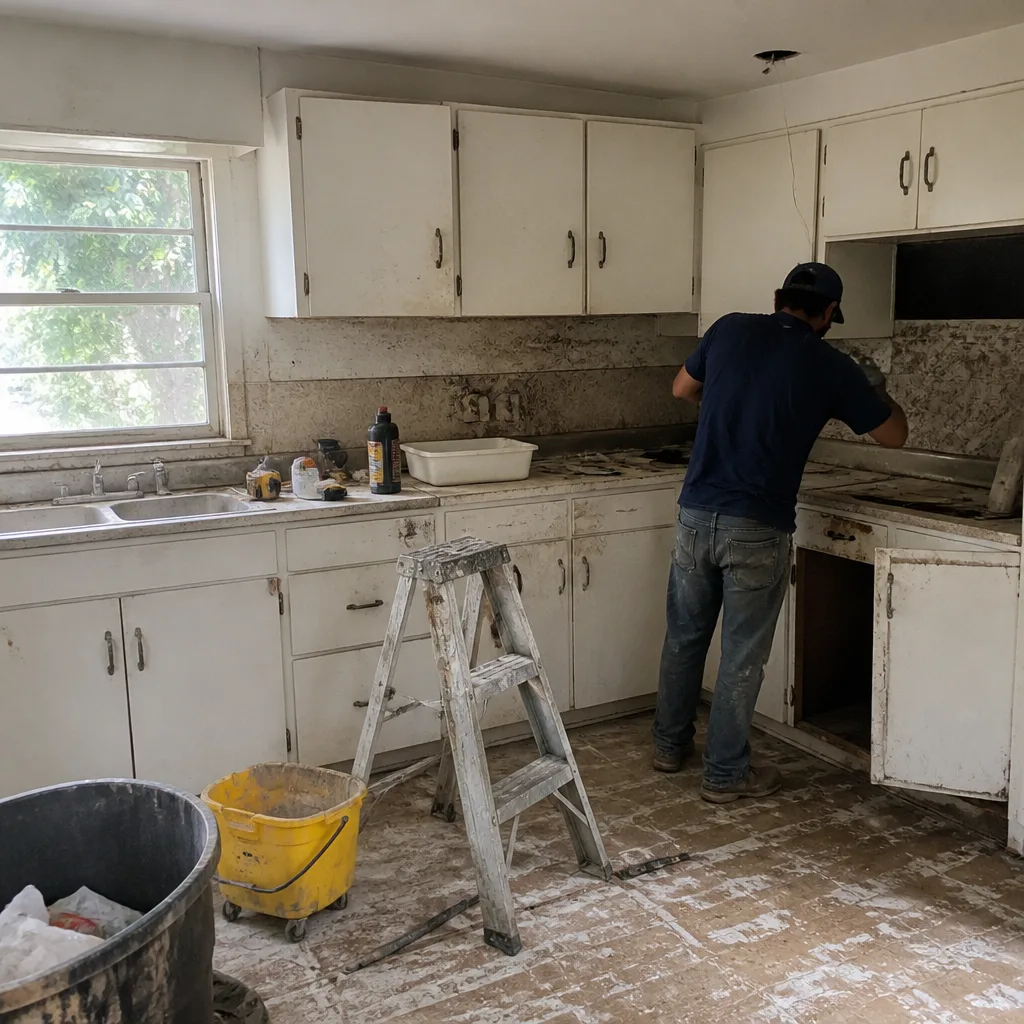 Before
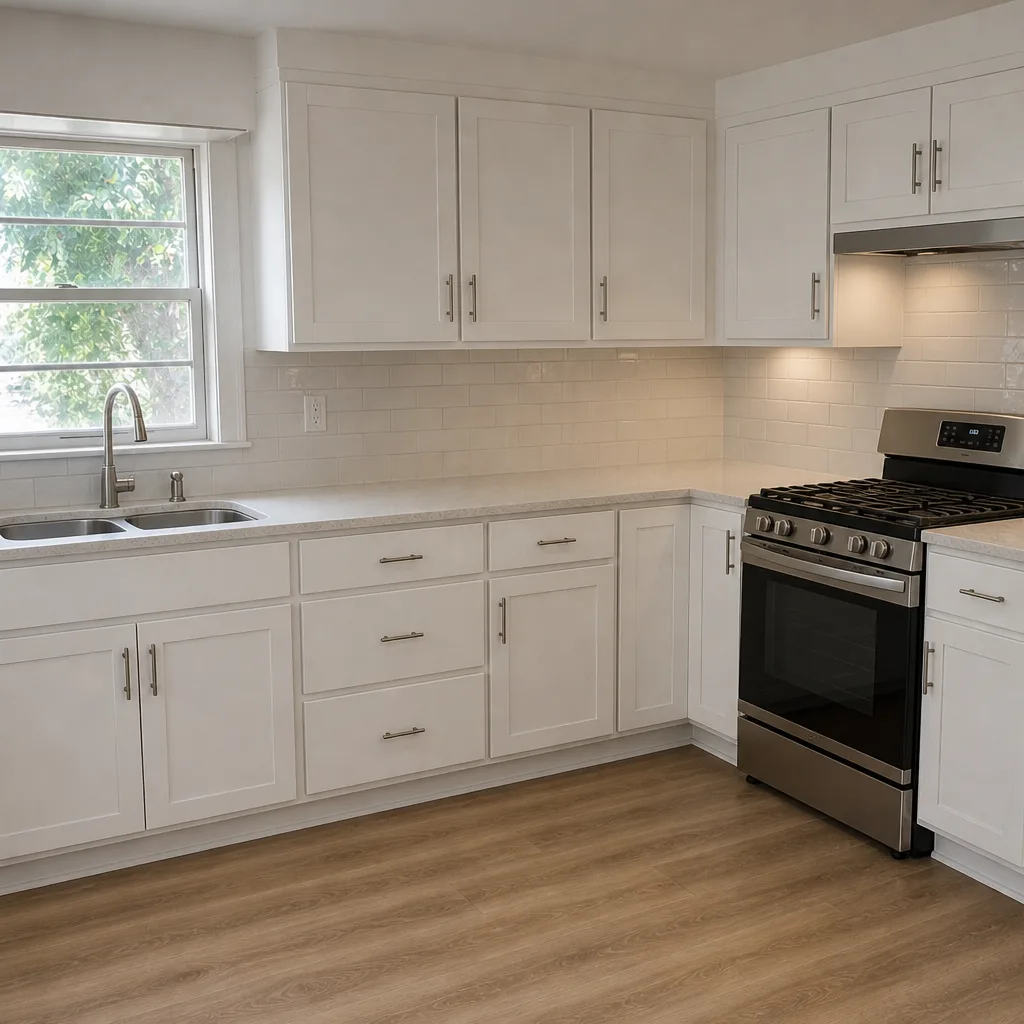 After
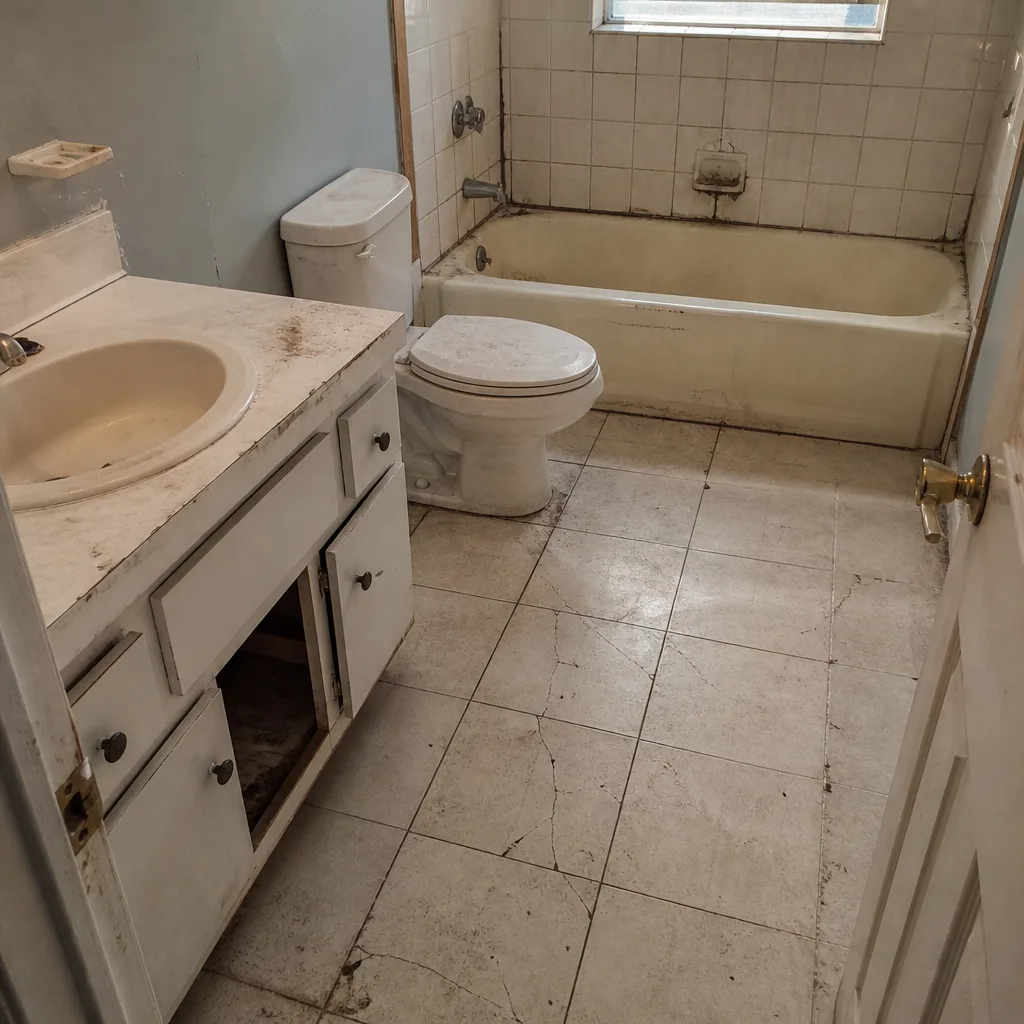 Before
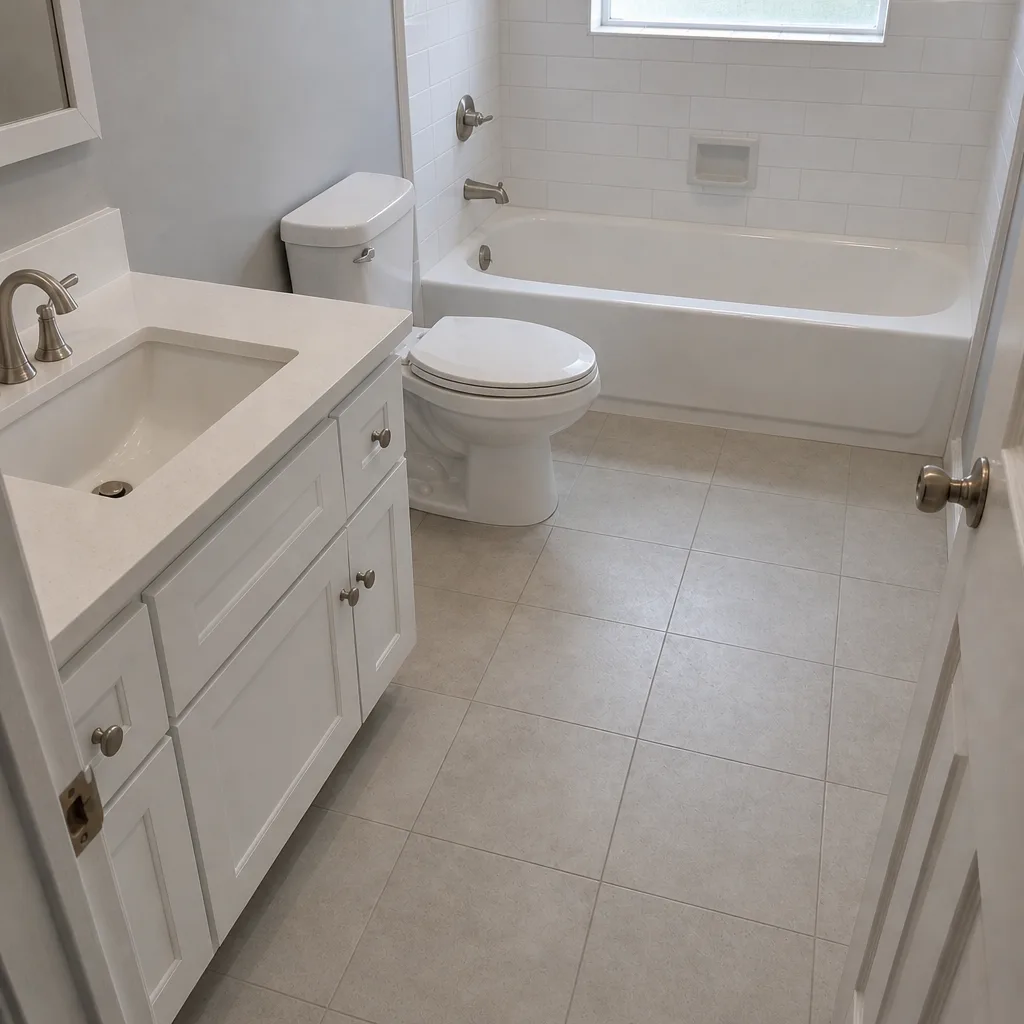 After
When to Call a Professional
A paver driveway is a base-engineering job wrapped around a surface job, and the base is where DIY efforts and bargain installs fall short. Call a professional if your driveway has pavers that rock or shift underfoot, dips where tires sit, or joints that stay wet long after rain. Call if a previous install is settling and you don’t know why, or if your HOA has design rules you need to navigate. Call before you order material if you’re planning a new driveway on clay soil, since base depth needs to be planned up front. And call if you’re comparing bids and none of them mention base at all. Groundwork Construction Co. of Westchester offers free estimates in Westchester. Call (833) 630-4214 to schedule yours. Our technicians have up to 12 years of experience, and every project is backed by the 730-Day Done Right Promise.
Frequently Asked Questions
Most paver driveways in Westchester run $12 to $25 per square foot installed, or roughly $8,000 to $22,000 for a typical residential driveway. Base depth, paver material, and site prep move the number most. Call (833) 630-4214 for an exact quote. Estimates are free.
A properly built paver driveway in Westchester lasts 20 to 30 years or more, and sometimes longer with good maintenance. The base layer and drainage determine most of that lifespan, not the pavers themselves. A deep compacted base built for the area’s clay soil is what gets you there.
Pavers sink or shift in Westchester mostly because the base wasn’t compacted correctly or was too shallow for the clay soil. Water trapped under the surface compounds it. When the base moves, the surface follows. The fix starts with what’s below the pavers.
Yes, a paver driveway can be installed during Westchester’s rainy season, but it requires extra care. Base work has to be protected from storms and re-checked for compaction after rain. Dry-season installs are simpler and often set better. We plan the schedule around the season rather than fighting it.
In most Westchester communities, yes. Many HOAs have design guidelines covering paver color, pattern, and edge restraint. Get the guidelines in writing and obtain approval before ordering material. That step alone prevents a lot of avoidable delays.
Yes, we handle the permitting side where a Westchester driveway project requires it. Permits are pulled before work starts, and inspections are passed before the job is closed out. You’ll get the scope, timing, and pricing upfront so there are no surprises. Call (833) 630-4214 to talk through your property.
The Bottom Line
A paver driveway in Westchester succeeds or fails on the base. Concrete, brick, and travertine pavers all look great on day one; only a properly engineered, deeply compacted base keeps them looking that way. Plan for clay-heavy soil, install around the rainy season, sort out HOA approval early, and demand a written, upfront price with a workmanship guarantee behind it. The pavers you can see, and the base you can’t, together decide whether the driveway lasts twenty years or three. If you’re ready to price a project, we’ll walk your site, quote it upfront, and back the work in writing. From foundation to finish line, we build it to last.
Ready to get started or compare bids? Call Groundwork Construction Co. of Westchester at (833) 630-4214 for a free estimate. You’ll reach a live person, 24/7, and we’ll put your number in writing. If you’re also planning outdoor improvements alongside the driveway, our team covers Groundwork Construction Co. of Westchester home, Fence Installation in Westchester, and Home Additions & ADU in Westchester as part of a full-scope plan, so your driveway, fencing, and addition all line up under one accountable contractor and one workmanship guarantee.
Written by the team at Groundwork Construction Co. of Westchester.